
Renovated to Live In vs Renovated to Sell
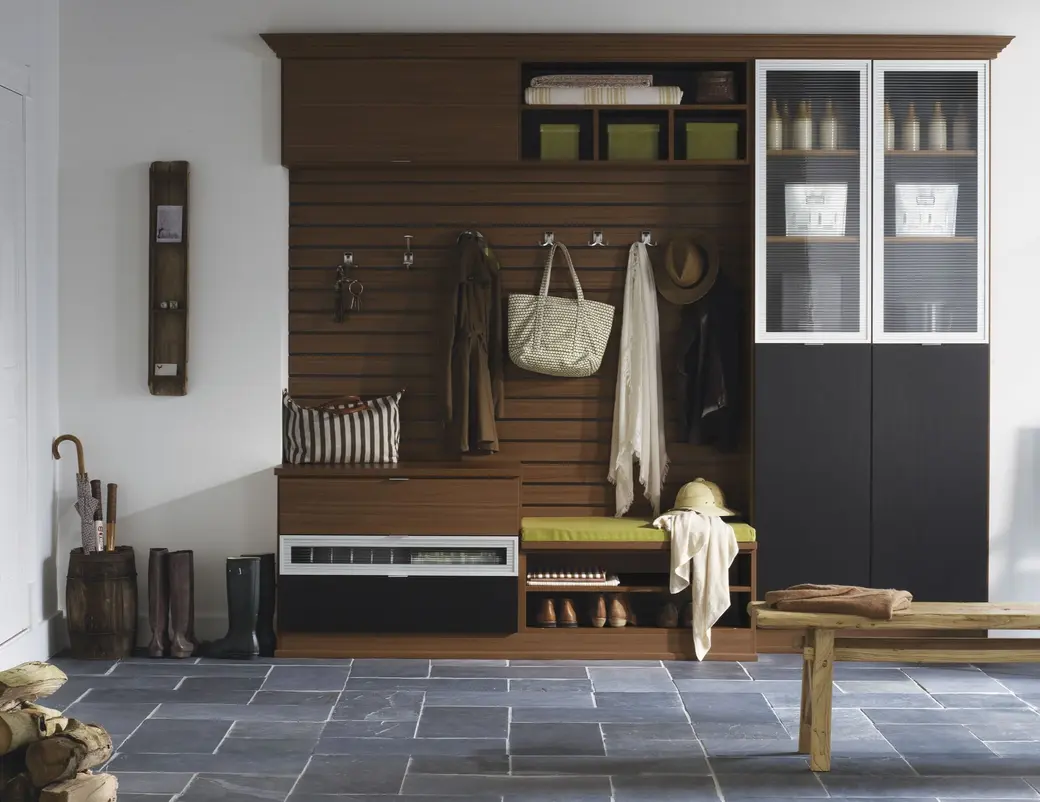
Renovated to Live In vs Renovated to Sell
You can feel the difference.
Sometimes you can see it in the photos before you even walk through the door. A home that somebody renovated to live in almost always feels different than a home that was renovated strictly to sell.
That doesn’t mean flips are bad and owner renovations are good. I don’t think it’s that simple. I’ve seen flips that were done well, and I’ve seen long-term owner renovations that were strange, expensive, or held together by confidence and hope.
But I’m a firm believer that once you walk into a renovated home, you can usually start to feel what the renovation was optimized for.
Was it optimized for living?
Or was it optimized for resale?
Those are different things.
A Flip Has a Business Model
A flip has a business model. It has margins. It has a timeline. It’s value-engineered.
Someone buys the property, puts money into it, carries the cost, renovates it, and brings it back to market. For the numbers to work, there has to be a spread between what they bought it for, what they spent, and what they can sell it for.
There’s nothing automatically wrong with that. Honestly, a lot of tired homes need someone willing to take them on. Some homes would sit in rough shape for years if nobody came in, cleaned them up, and made them useful again.
But the renovation is still being filtered through a business decision.
What will photograph well? What will appeal to the biggest pool of buyers? What gives the best return for the money spent? What needs to be done, and what can be left alone? Where does the budget actually move the resale price?
That’s the thing I want buyers to understand. The renovation had a job, and the job was probably to make the house easier to sell.
A Home Renovated to Live In Usually Feels Different
When somebody renovates a home to actually live in it, the choices usually have the intention of living life behind them.
You notice it in different places.
The mudroom might make sense. The pantry might be better than expected. The lighting might be practical instead of just trendy. The basement might feel like someone actually used it, not just finished it for square footage. The windows, insulation, storage, built-ins, drainage, mechanicals, or exterior work might have received money even though none of those things are the star of the listing photos.
That kind of renovation can be less perfect on the surface. Sometimes the style is more personal. Sometimes the tile choice tells you exactly what year someone made the decision. Sometimes the kitchen isn’t what every buyer would pick today.
But there can be a different kind of logic to it.
A family lived there. Someone cooked in that kitchen. Someone carried groceries through that entry. Someone dealt with the cold corner, the bad light, the awkward storage, the basement that never quite worked. So when they fixed things, they were often fixing actual life problems.
That doesn’t guarantee the work is better. It just gives you a different set of clues.
The Pretty Stuff Can Pull You In Fast
This is where buyers can get a little spun around.
A house hits the market with fresh paint, newer flooring, black hardware, a clean kitchen, updated bathrooms, decent staging, and suddenly it feels finished. Sometimes it is finished. Sometimes the visible updates are just the loudest part of the house.
If you’re looking at a renovated home, I think it’s important that you know what you’re buying.
Is it a cosmetic refresh? Is it a proper renovation? Is it a flip? Was it renovated by someone who lived there for ten years after the work was done? Were permits involved where they should’ve been? Did they update the roof, windows, furnace, electrical, plumbing, grading, drainage, or sewer line context, or did most of the money go into surfaces?
I like nice kitchens. I like good tile. I like a home that feels pulled together.
But in older Calgary homes, the boring expensive stuff can matter a lot more than the things that show best online.
Resale Can Be Part of the Equation Without Running Every Decision
There’s another side to this that a lot of people miss.
A lot of homeowners renovate like they’re already preparing to sell, even if they plan to live there for years. Every decision gets run through the imaginary future buyer.
Will this hurt resale?
Is this too personal?
Should we just keep it neutral?
And look, resale matters. Of course it does. A home is a massive financial asset for most people, and it’d be ridiculous to pretend future marketability doesn’t count.
But at the end of the day, you have to live there.
If every choice is made for the safest possible future buyer, the home can start to feel a little empty. White, grey, neutral, agreeable, polished, and kind of lifeless. Nothing offensive, nothing personal, nothing with much of a pulse.
I think people are allowed to renovate for the life they’re living.
If you want colour, built-ins, a proper reading room, a better kitchen for how you actually cook, a garden that makes sense to you, a basement music room, a weird tile, a workshop, or a dining space that fits the way your family gathers, I think that matters.
Resale can be part of the equation without running every single decision.
There’s No Right or Wrong Renovation
There’s no right or wrong decision in real estate without context.
A flip might be the right purchase for someone who wants move-in ready, clean, simple, and low drama. A long-term owner renovation might be the right purchase for someone who values care, records, and function over perfect trend alignment. A more dated home might be the right purchase for someone who wants to renovate slowly and make it their own.
The important part is understanding the trade-off.
With a flip, I’d be looking closely at the consistency of the work. Does the kitchen look new while the mechanicals look tired? Do the bathrooms feel finished but the basement feels ignored? Are the materials decent, or just good enough to get through photos and showings? Does the exterior make sense? Does the grading work? Does anything feel rushed?
With a live-in renovation, I’d be looking for different things. Was the work done properly? Is it too specific for your needs? Did the owner spend money where it mattered to them but ignore something that now matters to you? Are you paying for improvements you don’t actually value?
Neither one gets a free pass.
You still have to read the house.
A Good Renovation Usually Makes More Sense the Longer You Look
The renovations I tend to trust more are the ones that keep making sense as you spend time in the home.
The storage is where you need it. The lighting works for real life. The basement feels usable. The mechanical room doesn’t feel forgotten. The exterior has been considered. The layout solves problems instead of creating new ones. The finishes might be nice, but they’re not doing all the work.
That’s usually what buyers should be watching for.
Not just whether the house looks renovated, but whether the renovation still makes sense after the first impression wears off.
A home can be beautiful and still be shallow. A home can be a little dated and still be incredibly well cared for. A home can be renovated for resale and still be worth buying. A home can be renovated by an owner and still need a hard second look.
The category matters less than the quality of the decisions.
What Was This Renovation Trying to Do?
That’s the question I’d come back to.
What was this renovation trying to do?
Was it trying to create a broad, clean, resale-friendly product? Was it trying to solve real living problems for the people who owned it? Was it mostly cosmetic? Did it touch the expensive stuff? Does the work match the age and condition of the house? Does the price reflect what’s actually been improved?
If you’re buying an older renovated home in Calgary, I don’t think you need to be cynical. You just need to be awake.
Pretty is nice. Cared for is better. And if you can find both, that’s usually where things get interesting.
CTA:
If you’re trying to make sense of a renovated home, an older Calgary property, or whether a move actually makes sense, start with the 10-Minute Move Gut Check:
https://riglinrealty.ca/move-gut-check
It’s a quick, low-pressure way to get a second set of eyes before the whole thing turns into a dog and pony show.
You can feel the difference.
Sometimes you can see it in the photos before you even walk through the door. A home that somebody renovated to live in almost always feels different than a home that was renovated strictly to sell.
That doesn’t mean flips are bad and owner renovations are good. I don’t think it’s that simple. I’ve seen flips that were done well, and I’ve seen long-term owner renovations that were strange, expensive, or held together by confidence and hope.
But I’m a firm believer that once you walk into a renovated home, you can usually start to feel what the renovation was optimized for.
Was it optimized for living?
Or was it optimized for resale?
Those are different things.
A Flip Has a Business Model
A flip has a business model. It has margins. It has a timeline. It’s value-engineered.
Someone buys the property, puts money into it, carries the cost, renovates it, and brings it back to market. For the numbers to work, there has to be a spread between what they bought it for, what they spent, and what they can sell it for.
There’s nothing automatically wrong with that. Honestly, a lot of tired homes need someone willing to take them on. Some homes would sit in rough shape for years if nobody came in, cleaned them up, and made them useful again.
But the renovation is still being filtered through a business decision.
What will photograph well? What will appeal to the biggest pool of buyers? What gives the best return for the money spent? What needs to be done, and what can be left alone? Where does the budget actually move the resale price?
That’s the thing I want buyers to understand. The renovation had a job, and the job was probably to make the house easier to sell.
A Home Renovated to Live In Usually Feels Different
When somebody renovates a home to actually live in it, the choices usually have the intention of living life behind them.
You notice it in different places.
The mudroom might make sense. The pantry might be better than expected. The lighting might be practical instead of just trendy. The basement might feel like someone actually used it, not just finished it for square footage. The windows, insulation, storage, built-ins, drainage, mechanicals, or exterior work might have received money even though none of those things are the star of the listing photos.
That kind of renovation can be less perfect on the surface. Sometimes the style is more personal. Sometimes the tile choice tells you exactly what year someone made the decision. Sometimes the kitchen isn’t what every buyer would pick today.
But there can be a different kind of logic to it.
A family lived there. Someone cooked in that kitchen. Someone carried groceries through that entry. Someone dealt with the cold corner, the bad light, the awkward storage, the basement that never quite worked. So when they fixed things, they were often fixing actual life problems.
That doesn’t guarantee the work is better. It just gives you a different set of clues.
The Pretty Stuff Can Pull You In Fast
This is where buyers can get a little spun around.
A house hits the market with fresh paint, newer flooring, black hardware, a clean kitchen, updated bathrooms, decent staging, and suddenly it feels finished. Sometimes it is finished. Sometimes the visible updates are just the loudest part of the house.
If you’re looking at a renovated home, I think it’s important that you know what you’re buying.
Is it a cosmetic refresh? Is it a proper renovation? Is it a flip? Was it renovated by someone who lived there for ten years after the work was done? Were permits involved where they should’ve been? Did they update the roof, windows, furnace, electrical, plumbing, grading, drainage, or sewer line context, or did most of the money go into surfaces?
I like nice kitchens. I like good tile. I like a home that feels pulled together.
But in older Calgary homes, the boring expensive stuff can matter a lot more than the things that show best online.
Resale Can Be Part of the Equation Without Running Every Decision
There’s another side to this that a lot of people miss.
A lot of homeowners renovate like they’re already preparing to sell, even if they plan to live there for years. Every decision gets run through the imaginary future buyer.
Will this hurt resale?
Is this too personal?
Should we just keep it neutral?
And look, resale matters. Of course it does. A home is a massive financial asset for most people, and it’d be ridiculous to pretend future marketability doesn’t count.
But at the end of the day, you have to live there.
If every choice is made for the safest possible future buyer, the home can start to feel a little empty. White, grey, neutral, agreeable, polished, and kind of lifeless. Nothing offensive, nothing personal, nothing with much of a pulse.
I think people are allowed to renovate for the life they’re living.
If you want colour, built-ins, a proper reading room, a better kitchen for how you actually cook, a garden that makes sense to you, a basement music room, a weird tile, a workshop, or a dining space that fits the way your family gathers, I think that matters.
Resale can be part of the equation without running every single decision.
There’s No Right or Wrong Renovation
There’s no right or wrong decision in real estate without context.
A flip might be the right purchase for someone who wants move-in ready, clean, simple, and low drama. A long-term owner renovation might be the right purchase for someone who values care, records, and function over perfect trend alignment. A more dated home might be the right purchase for someone who wants to renovate slowly and make it their own.
The important part is understanding the trade-off.
With a flip, I’d be looking closely at the consistency of the work. Does the kitchen look new while the mechanicals look tired? Do the bathrooms feel finished but the basement feels ignored? Are the materials decent, or just good enough to get through photos and showings? Does the exterior make sense? Does the grading work? Does anything feel rushed?
With a live-in renovation, I’d be looking for different things. Was the work done properly? Is it too specific for your needs? Did the owner spend money where it mattered to them but ignore something that now matters to you? Are you paying for improvements you don’t actually value?
Neither one gets a free pass.
You still have to read the house.
A Good Renovation Usually Makes More Sense the Longer You Look
The renovations I tend to trust more are the ones that keep making sense as you spend time in the home.
The storage is where you need it. The lighting works for real life. The basement feels usable. The mechanical room doesn’t feel forgotten. The exterior has been considered. The layout solves problems instead of creating new ones. The finishes might be nice, but they’re not doing all the work.
That’s usually what buyers should be watching for.
Not just whether the house looks renovated, but whether the renovation still makes sense after the first impression wears off.
A home can be beautiful and still be shallow. A home can be a little dated and still be incredibly well cared for. A home can be renovated for resale and still be worth buying. A home can be renovated by an owner and still need a hard second look.
The category matters less than the quality of the decisions.
What Was This Renovation Trying to Do?
That’s the question I’d come back to.
What was this renovation trying to do?
Was it trying to create a broad, clean, resale-friendly product? Was it trying to solve real living problems for the people who owned it? Was it mostly cosmetic? Did it touch the expensive stuff? Does the work match the age and condition of the house? Does the price reflect what’s actually been improved?
If you’re buying an older renovated home in Calgary, I don’t think you need to be cynical. You just need to be awake.
Pretty is nice. Cared for is better. And if you can find both, that’s usually where things get interesting.
CTA:
If you’re trying to make sense of a renovated home, an older Calgary property, or whether a move actually makes sense, start with the 10-Minute Move Gut Check:
https://riglinrealty.ca/move-gut-check
It’s a quick, low-pressure way to get a second set of eyes before the whole thing turns into a dog and pony show.
Recent Posts




Trying to make sense of a potential move?