
Should You Buy First or Sell First in Calgary Right Now?
September 2026
People want a rule for this, which is fair. Buying and selling at the same time is a lot to coordinate, and it would be nice if there were an order that worked for everyone.
There isn't. But if I had to give you a starting point, I'd say eat the frog. Figure out which part of your particular move is going to be harder, and build the plan around getting that sorted first.
Sometimes that's selling what you own. Sometimes it's finding the house you actually want. The answer changes when you look at the two properties involved.
The Calgary Market Gives You Some Breathing Room
What I'm seeing right now is more choice for buyers in many parts of the market. Apartment condos are particularly challenging to sell when buyers have plenty of similar options. Detached homes are tighter, but there's still room to look around in a way buyers haven't always had over the last few years.
The August 2026 numbers help show the difference. Calgary had 5.68 months of supply for apartments, compared with 3.39 for detached homes. That measures available inventory against the month's pace of sales. It's a citywide snapshot, so your price range and neighbourhood still need their own look. CREB August 2026 report.
My read is that a buyer with a reasonably flexible detached-home search may have time to consider a few properties and negotiate. I'd still judge each listing on its own. Plenty of inventory across Calgary doesn't tell us how many houses meet your particular needs.
If You're Selling a Condo to Buy Detached
Say you own an apartment condo and need the proceeds to buy your next home. There are several similar units for sale, buyers have choices, and you're not sure what yours will actually bring.
On the buying side, maybe you want a detached house with a garage, a usable yard, and another bedroom. You've got some flexibility on the community and finishes, and we're seeing a few properties that could work.
In that situation, I'd generally want to tackle the condo sale first. That's the part with the bigger question mark. Once the sale is firm, you've got a much clearer starting point for your purchase budget, after accounting for the mortgage payout and selling costs.
We'd still work through possession timing and what happens if you need somewhere to stay between homes. But I wouldn't be eager to commit you to a purchase while treating an uncertain condo sale price as money already available to spend.
If You're Looking for a Time Capsule
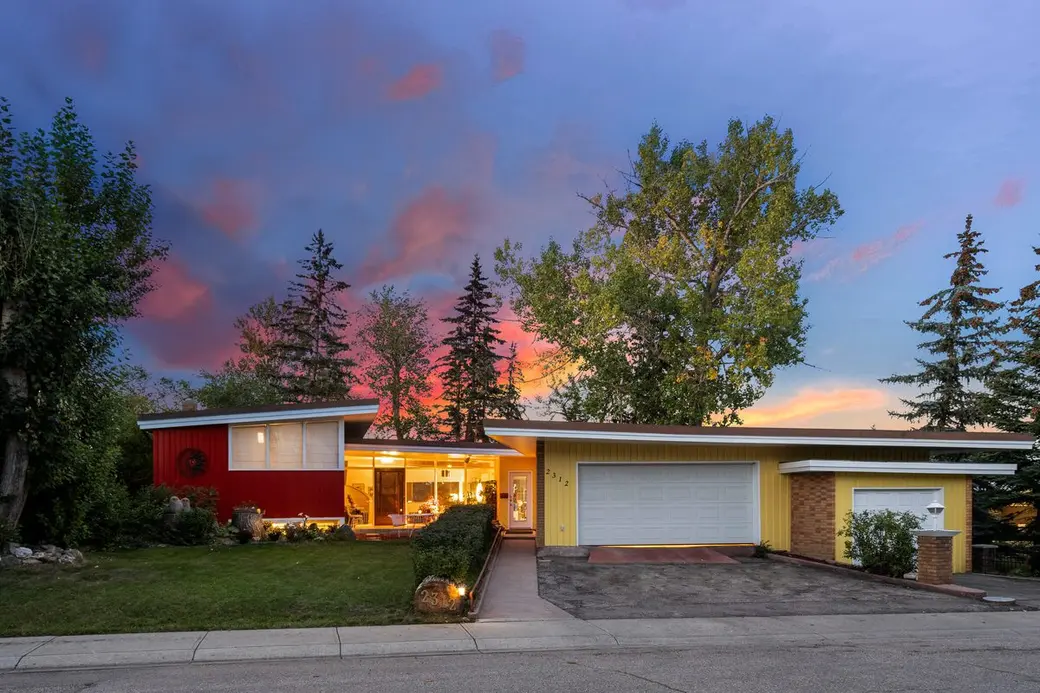
Now change the situation. You've got a newer detached house in a suburban community, but what you want next is very specific: a largely untouched 1960s or 1970s home with the original details you love, in a location that works for you. You want to put your own touches on it, and you'd rather someone hadn't already removed everything that made it interesting.
You could scroll through plenty of listings without finding that house. More detached inventory doesn't necessarily help much when most of it doesn't fit what you're looking for.
If your current house looks easier to sell than that next house will be to find, buying first may deserve a serious look. Selling first could leave you searching against a possession deadline and gradually talking yourself into something you never really wanted.
The financing and contract still have to support the sequence. We'd work through what you can fund with your mortgage broker or lender, and discuss conditions and possession dates with the other side. If you need to sell your home to complete the purchase, we have to account for that before you commit. You can't assume the seller will agree to every term you need.
Buying First Means Being Ready to Sell
This is the part I'd want us to agree on before making an offer on the unusual house. If securing it is the priority, what are you prepared to do on the sale side to make the move work?
That may mean listing aggressively from the start. If the evidence tells us our price isn't working, it may mean changing it promptly. I'd want to watch showings, buyer feedback, competing listings, and actual sales together, then act while we still have time.
With a newer suburban home, I'd also look closely at what buyers can get from builders nearby. You might love your house and have put plenty into it, but the buyer is comparing their available options. Our pricing needs to account for that competition.
I'd be wary of securing the next place and then spending weeks insisting the current one has to bring a number we chose before testing it against the market. The commitment you've made changes how much time you have to hold that position.
This needs a financial boundary too. We should know what sale proceeds the move requires, what an overlap would cost, and how much room there is if the sale is slower or lower than hoped. If those numbers don't work, we need a different sequence or different terms before committing to the purchase.
Decide the Trade-Off Before You're Under Pressure
The best time to talk about a price reduction is before you need one.
If you're buying first, I'd want to map out a few versions of the sale. What happens if your home sells around the number we're hoping for? What happens if it takes a few weeks and needs a reduction? At what number does the move still accomplish what you wanted, and where does it stop working financially?
That doesn't mean deciding in advance to give the house away. It means knowing which numbers are disappointing but workable and which ones actually break the plan. Those feel very different when you've thought about them calmly. They can feel exactly the same when you've already bought, the listing has been sitting for three weeks, and every showing starts to carry the weight of the whole move.
I'd also want us to agree on what market signals will make us respond. A quiet first week may mean one thing if every competing property is also sitting. It means something else if comparable homes are selling and buyers are consistently choosing around yours. Showings without offers, no showings at all, new competition, builder incentives, and recent sales all tell us different things. The response could be price, presentation, access, or terms, but waiting indefinitely isn't a strategy.
The same thinking applies when you sell first. Decide how long you're comfortable renting or staying somewhere temporary, how broad your search can become, and whether you'd rather wait than buy a house that misses the point of the move. A firm sale gives you certainty about your budget, but it may add pressure to find the next place. That pressure needs a boundary too.
The goal is to make the uncomfortable decisions while you still have choices. Once one side is firm, some of those choices disappear.
Keep Your Eye on What You're Trying to Accomplish
If the whole reason for moving is to get into that particular kind of older home, there may be a sale price below your original hope that still makes the move worthwhile. I'd want you to understand that possibility early, while you can decide calmly whether it's a trade you're willing to make.
Likewise, if you're moving out of a condo and several detached homes could suit you, getting the condo sold may remove the biggest uncertainty. You can then shop with a clearer budget and a better understanding of the timing you need.
You can choose the priority and decide how flexible you're prepared to be. The market and the other people involved will have a say in the terms. I'd rather build that into the plan than count on both transactions going exactly the way we imagined.
If you're trying to work out which part of your move to tackle first, start with the 10-Minute Move Gut Check. Tell me what you own, what you're hoping to find, and what feels uncertain. That's enough to start figuring out where the hard part is.
Recent Posts





Trying to make sense of a potential move?